

Trade dress laws are an important aspect of intellectual property defense, specifically for businesses in the garment industry. Comprehending trade dress legislations is crucial for designers, merchants, and makers to secure their one-of-a-kind designs and brand identification. In this thorough overview, we will discover whatever you require to find out about trade dress legislations, including vital ideas, lawful requirements, enforcement strategies, and recent instance studies.
What is Trade Dress?
Trade dress describes the aesthetic look of a product or its product packaging that signifies the source of the item to consumers. It includes aspects such as shades, shapes, graphics, and general design that differentiate a product from others out there. Trade dress can encompass numerous elements of a product's look, such as its logo, labeling, product packaging, and total presentation.
Dresses Women
When it pertains to fashion items like dresses for women, trade dress plays a substantial role in establishing brand name recognition and consumer loyalty. Style aspects such as distinct shapes, patterns, fabrics, and embellishments can all contribute to the trade dress of a ladies's dress collection.
Trade Dress
Trade dress security reaches both product style and product packaging style in the garment industry. For example, an unique shape or pattern made use of constantly throughout a designer's dresses can be secured as trade dress. In a similar way, unique product packaging attributes like hang tags, labels, or branded boxes can also be thought about part of a brand's profession dress.
Sweater Dress
One preferred group of women's dresses is sweater dresses-- flexible garments that incorporate style and convenience. Coat dresses are recognized for their soft knit textiles, comfortable feeling, and flattering fit. The trade dress of a sweater dress collection may include special knit patterns, color mixes, neckline designs, or decorations that establish it in addition to competitors.
Legal Structure for Trade Dress Protection
To qualify for trade dress defense under united state regulation (specifically under the Lanham Act), a design should fulfill certain standards:
The layout must be non-functional - implying it offers no practical purpose other than identification. The layout need to be distinct - it must be recognizable by consumers as distinctively associated with a specific brand. The layout have to be made use of consistently - it ought to be used continually across items within the exact same line or collection.Dress Summer
Summer dresses are one more preferred classification of women's apparel that typically feature distinctive style elements suitable for cozy weather. Brilliant colors, light-weight fabrics, floral prints, and flowing silhouettes prevail attributes of summer dresses that can contribute to their trade dress protection.
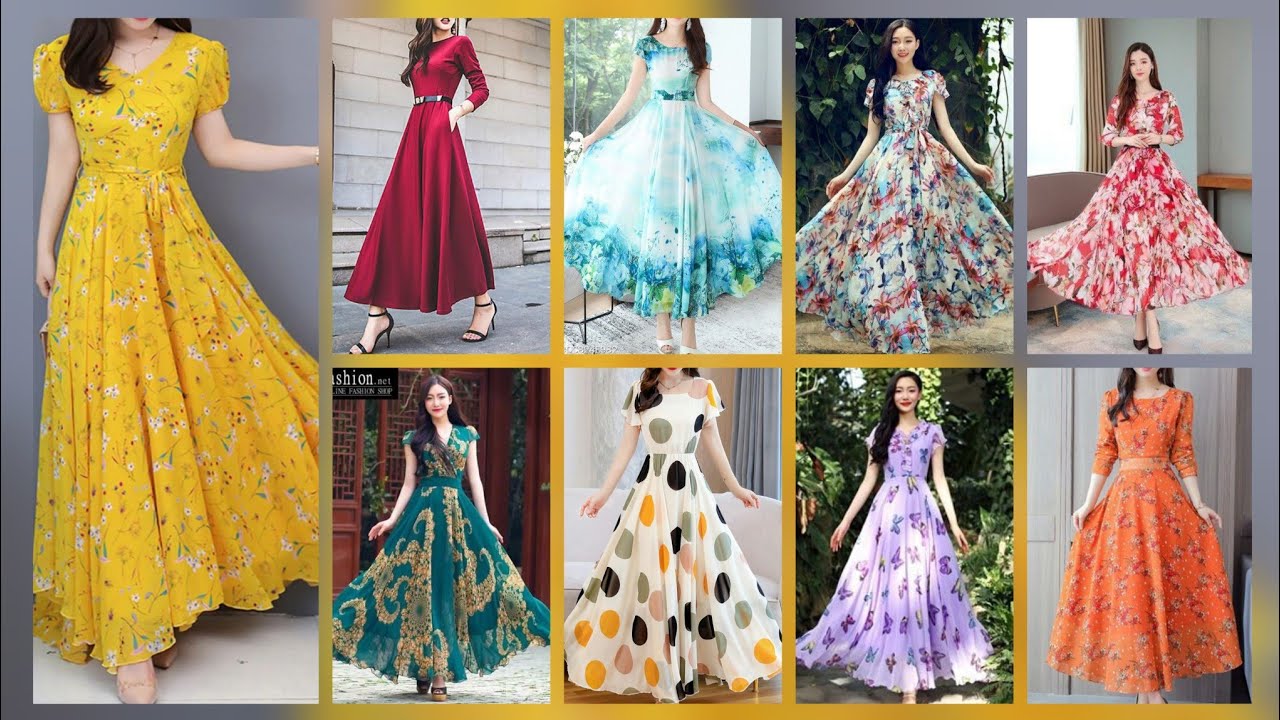
Belt Dress
A belt dress is a style of females's dress that consists of an integrated belt or sash at the waistline http://manuelntrn791.image-perth.org/sleeve-dresses-a-stylish-choice-for-any-event to produce a specified silhouette. The design of the belt-- whether it's broad or narrow, fabric-covered or metal-- can be a vital element of the belt dress's trade dress.
Formal Dress
Formal dresses are worn for unique events like wedding celebrations, galas, or red carpet events and generally feature stylish designs with luxurious fabrics and intricate details. The trade dress of formal dresses may consist of distinct decorations like lace overlays, ...
FAQs:
What kinds of layouts qualify for trade dress protection?- Designs that are non-functional and unique may receive trade dress protection.
- Trade dress protection can last indefinitely as lengthy as the style remains distinctive.
- Yes, you can register your trade dress with the U.S. Patent and Hallmark Office to strengthen your lawful rights.
- Remedies for trade dress infringement might consist of monetary problems, ...
- Yes, ...
- Enforcement techniques might consist of cease-and-desist letters, ...
Conclusion
In final thought, ...
By recognizing the nuances of profession ...
Overall, ...
In recap, ...
.